


After It Happened
Your Body Remembers
Flashbacks, nightmares, a startle that embarrasses you. Avoiding a street, a smell, a kind of person. Feeling numb, or always on guard. These are common responses after something frightening or violating, and they can begin long after the event.
There is nothing weak about this. Your nervous system did what it had to in order to get you through.
When you are considering support after a frightening experience, the first question may be about the process itself. You might want to know what an initial conversation includes, how to signal discomfort, or whether a particular approach involves discussing memories. Bring those questions before deciding what to share. You can describe present concerns in everyday language, such as difficulty sleeping, feeling on guard, or avoiding reminders, without using a diagnostic term. Different experiences call for different assessments and plans. This page is an introduction to a possible conversation, not a determination that a particular diagnosis or treatment fits you.
You may want to ask how the clinician explains an approach before using it, how you can raise concerns during a session, and what alternatives might be considered. You can also discuss practical questions about the setting and whether it feels suitable. These are questions for the practice, not promises that a particular process will be available. A clear explanation can help you decide what information you want before taking another step.
The Neuroscience
Why Reasoning Alone Does Not Reach It
During a threat, the brain prioritizes survival over making an orderly memory. Fragments can stay stored as sensation and emotion, which is why they can return as if they were happening now. You can know you are safe and your body may not have heard yet.
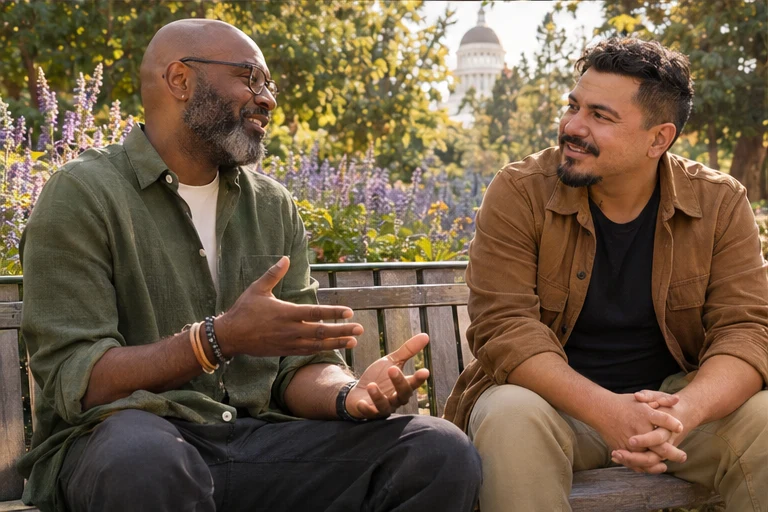
Trauma-Informed, Meaning
- Safety, trust, and compassion come first
- You decide what you share and when
- You learn to steady yourself before going near hard memories
- Somatic and narrative approaches are options
- Support focused on understanding your experience without blame
Is Group Right for Trauma?
A trauma group can reduce the isolation that trauma creates. Ask Tatiana about participation expectations, sharing personal details, and readiness before joining. Some people benefit from starting individually.
Where Faith Comes In
If what happened has shaken your faith, or if it happened in a church, you can say so. You can also leave God out of it. Either is respected.
Anxiety, depression & trauma group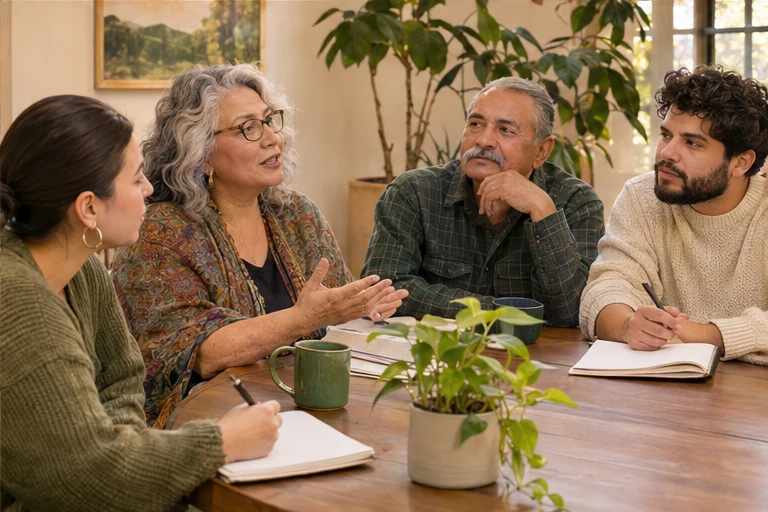
Questions About Trauma
Do I have PTSD?
Only a proper assessment can say. You do not need a diagnosis to reach out.
What if I do not remember everything?
That is common. You do not need a complete memory to work on how it affects you today.
Where to Go Next

Complex Trauma
When the harm was not one event but the water you swam in.
Read more
Somatic Therapy
Working with what your body is holding, along with what your mind can explain.
Read moreAnxiety, Depression & Trauma Support Group
Support for anxiety, depression, trauma, emotional overwhelm, resilience, and hope.
Read more
You Set the Pace
You can begin without telling your story. A call or text is enough.
Call 916-204-1447General inquiries only. Please do not send private health information by text.